Genuine HP Latex Maintenance Cartridges
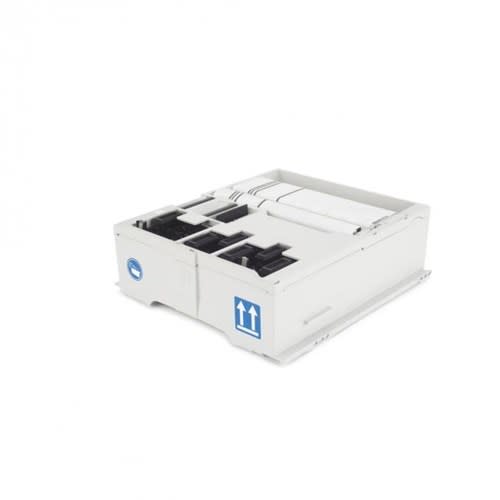
Genuine HP Latex Maintenance Cartridges are the unsung heroes of uninterrupted commercial wide-format printing. Housing an automated, motor-...
Genuine OEM Maintenance Cleaning Rolls, Service Cartridges & Foam Swabs
In digital wide-format printing, consistent preventative maintenance separates high-profit commercial operations from shops plagued by head strikes, nozzle dropouts, and catastrophic downtime. Digital printheads operate in demanding thermal and chemical environments where microscopic airborne ink mist, dust, and drying residues constantly threaten print quality.
Genuine HP Latex maintenance cartridges and industrial lint-free cleaning supplies are designed to automate and streamline daily print station care. The maintenance cartridge features an automated continuous fabric web that indexes during every print cycle, gently wiping the printhead faceplates, absorbing residual droplet mist, and capping nozzles during idle periods.
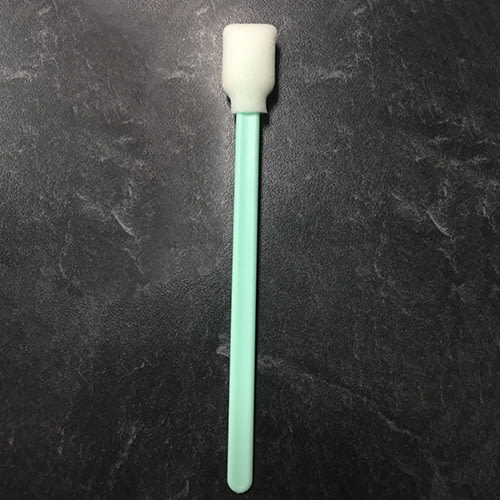
BendiShop stocks OEM HP maintenance cartridges for 300, 500, 600, 700, and 800 series printers, as well as industrial 20/20 foam cleaning swabs for manual capping station, wiper blade, and carriage platen cleaning across HP, Roland, Mimaki, and Epson hardware.
Certified commercial wide-format supplies in stock and ready for same-day dispatch.
Genuine HP Latex Maintenance Cartridges are the unsung heroes of uninterrupted commercial wide-format printing. Housing an automated, motor-...
In precision wide-format digital printing, standard cotton swabs must strictly never be used near printheads or capping stations. Cotton swa...
The automated maintenance system in modern HP Latex printers relies on a precision-indexed non-woven fabric roll advance mechanism. Unlike traditional rubber wiper blades that can drag abrasive dried pigment particles across delicate nozzle orifices, the HP maintenance fabric roll advances virgin, clean textile with every wipe cycle. This eliminates cross-contamination, maintains clean nozzle meniscus pressure, and preserves printhead resistor life.
For manual maintenance zones—including carriage service stations, capping seals, platen vacuum holes, and drop detector optical sensors—standard cotton swabs must never be used. Cotton swabs shed microscopic cellulose fibers that easily snare on nozzle openings, inducing massive directional spray errors and persistent banding.
Our industrial 20/20 swabs feature 100% thermally bonded polyurethane foam heads over rigid polypropylene shafts. They shed zero particulates, contain no chemical adhesives or binders that could dissolve into ink lines, and are completely inert to water, glycol ethers, and isopropyl alcohol.
To maximize printer uptime, high-performance sign shops enforce a strict maintenance calendar. Replace the maintenance cartridge immediately when prompted by the printer front panel (typically every 15 to 30 liters of ink consumed). Continuing to print on an exhausted cleaning roll prevents the machine from capping heads, causing rapid nozzle dehydration.
Perform weekly manual swabbing of the printhead carriage perimeter, optical drop sensor, and drying zone platen ribs. A clean platen prevents back-side media scuffing and eliminates static buildup that causes ink droplet misting.
Always maintain at least one spare maintenance cartridge in your shop inventory. If a maintenance cartridge reaches 100% capacity during a high-speed overnight run, the printer will immediately pause and refuse to print until a fresh unit is inserted.
Every roll, cartridge, and component in the preventative maintenance cartridges & swabs catalog is engineered and validated in accordance with rigorous commercial sign industry testing standards. Physical tensile strength and ultimate elongation are measured per ASTM D882, ensuring substrates withstand high-stress stretching over complex 3D vehicle contours and compound architectural recesses without structural tear or premature plasticizer breakdown.
Adhesive peel adhesion values are calibrated via ASTM D903 protocols against stainless steel, automotive clearcoats, and high-density polyethylene substrates. This standardized testing guarantees dependable initial tack for quick positioning, progressive 24-hour bond strength development, and clean removability without adhesive transfer when end-of-life graphics are stripped under controlled heat.
Flame resistance is rigorously certified for commercial interior and architectural installations under ASTM E84 (Class A interior flame spread) and NFPA 701 (textiles and flexible films). Furthermore, our printable substrates and OEM ink formulations comply with UL GREENGUARD Gold standards and European RoHS regulations, ensuring zero hazardous air pollutants (HAPs) and ultra-low VOC emissions suitable for healthcare environments, schools, and enclosed commercial facilities.
Achieving photographic print quality, vibrant chromatic saturation, and maximum outdoor service life requires precise synchronization between the RIP raster engine, ink deposit volume, curing heat profiles, and paired finishing components. When using BendiRIP, operators gain access to certified native color profiles that optimize drop placement and limit excessive ink loads.
High-performance sign shops running multiple print technologies—such as HP Latex alongside Roland TrueVIS or Mimaki solvent hardware—frequently struggle with color discrepancy across machines. BendiRIP unified color management uses spectral G7 calibration to achieve precise color matching across disparate ink chemistries and printer heads. When specifying preventative maintenance cartridges & swabs, BendiRIP automatically synchronizes feed compensation, vacuum draw, and multi-pass interlacing to ensure flawless color consistency from proof to final installation.
Consult the BendiRIP hardware integration utility to automatically synchronize certified media profiles directly into your RIP queue. Production managers can monitor real-time square-footage media consumption, ink cost per square foot, and remaining roll yardage directly through the BendiStudio interface.
Managing commercial wide-format supplies requires disciplined first-in, first-out (FIFO) inventory protocols. Whether stocking sensitive printhead components, preventative maintenance assemblies, aqueous latex inks, or premium self-adhesive vinyl rolls, time and environmental exposure dictate reliability. Substrates and consumables in the preventative maintenance cartridges & swabs portfolio feature individual batch tracking and expiration documentation to safeguard high-value customer production runs.
Store inventory inside a dedicated climate-stabilized storage zone maintained strictly at 59°F to 77°F (15°C to 25°C) and 35% to 55% relative humidity. Never store rolls, heads, or fluids in close proximity to direct thermal HVAC vents, loading dock bay doors, or chemical solvent cleaning stations. Elevated ambient temperatures accelerate polymer cross-linking in adhesives, evaporate humectants in water-based inks, and cause micro-crystallization inside printhead firing chambers.
By maintaining a minimum buffer stock of high-turnover consumables—including secondary maintenance cartridges, cleaning swabs, and matched overlaminate rolls—production managers protect their operations against catastrophic weekend downtime and emergency courier fees. BendiShop commercial accounts provide scheduled automatic fulfillment deliveries synchronized with your shop monthly square-footage output.
Expert technical answers addressing formulation, machine profiling, durability, and commercial installation.
The printer will pause printing at the end of the current pass and display a replacement prompt on the front panel. It will hold the job in memory without canceling, but will not resume jetting until a new maintenance cartridge is installed.
Cotton swabs shed loose cellulose fibers that catch on microscopic nozzle orifices. These fibers wick ink and deflect droplet trajectories, creating permanent nozzle dropouts and streaking. Always use thermally bonded, lint-free foam swabs.
An HP 831 maintenance cartridge typically lasts between 15 and 30 liters of ink consumption, depending on the frequency of automated wipe cycles, job throughput, and whether white ink recirculation is active.
No. Used maintenance fabric is saturated with dried pigment, resin, and waste optimizer. Rewinding would drag abrasive, dried polymer crusts directly across delicate nozzle faceplates, causing immediate, catastrophic printhead failure.
For HP Latex printers, dampen swabs with distilled water or approved HP maintenance fluid. For Roland and Mimaki eco-solvent printers, use genuine manufacturer flush or dedicated cleaning solvent.
The maintenance cartridge housing incorporates high-efficiency aerosol filters that capture airborne microscopic ink mist generated during high-speed carriage reversals, keeping internal printer electronics and optical encoders clean.
Use a dry 20/20 lint-free foam swab to gently clean the optical sensor glass window located near the service station. Dust or ink splatter on this sensor causes false nozzle health readings and unnecessary printhead error alerts.
Yes. We stock genuine HP 832/836 maintenance cartridges (HP part # 4UV99A) designed specifically for the latest generation HP Latex 630, 700, and 800 series production printers.