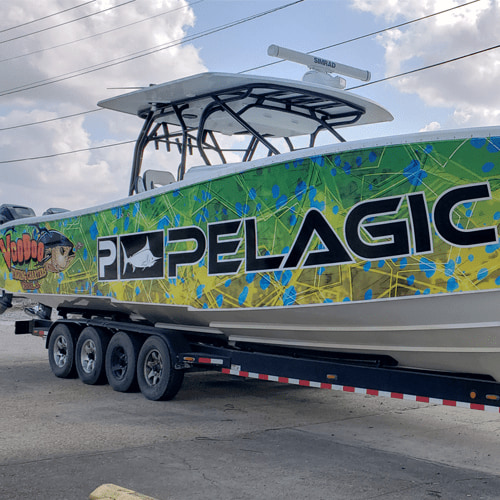
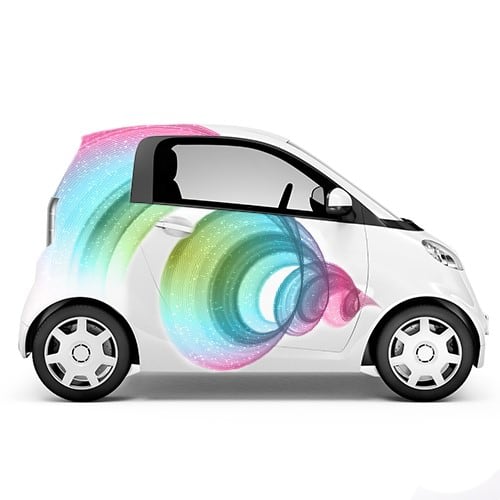
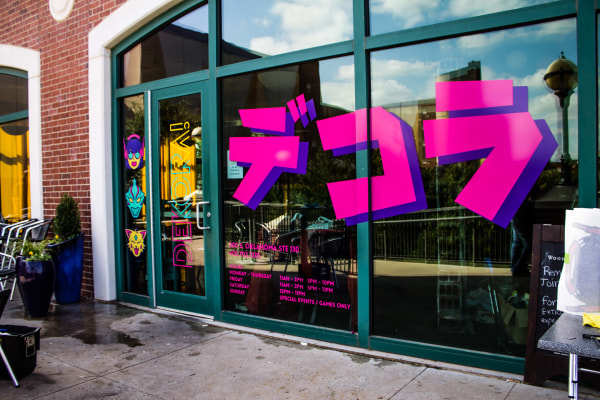
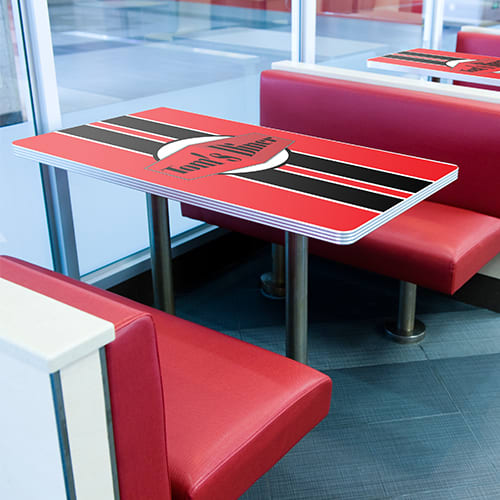
3M™ Wrap Film Series 2080 (60" Commercial Rolls)
3M™ Wrap Film Series 2080 represents the global gold standard in premium dual-cast automotive wrap films, trusted by top restyling shops, co...
Commercial-Grade Printable Cast & Calendered Self-Adhesive Vinyl Films
Digital wide-format printable vinyl represents the foundational substrate for modern sign shops, commercial graphics providers, and vehicle wrap operations. From high-elongation cast wrap films engineered for compound curves and deep body recesses to dimensional polymeric calendered films designed for architectural signage, window graphics, and flat fleet markings, selecting the precise vinyl formulation is critical to job durability and client satisfaction.
At BendiShop, our catalog is curated strictly from certified OEM manufacturers including 3M Commercial Solutions and ORAFOL. Each vinyl product in our inventory is backed by rigorous factory testing, extensive chemical outgassing documentation, and full compatibility validation across HP Latex, Roland TrueVIS, Mimaki, and Epson SureColor printer platforms.
Whether you are producing full-color architectural wall graphics requiring high-opacity blockout adhesives or installing commercial fleet wraps in harsh outdoor climates subject to intense UV radiation and temperature cycling, our printable vinyl media provides dependable dimensional stability, reliable air-release technology, and consistent ink acceptance.
Certified commercial wide-format supplies in stock and ready for same-day dispatch.
3M™ Wrap Film Series 2080 represents the global gold standard in premium dual-cast automotive wrap films, trusted by top restyling shops, co...
ORAJET® 3951RA is ORAFOL's flagship ultra-premium cast digital printing film, engineered for demanding fleet graphics, motorsport liveries, ...
ORAJET® 3551RA bridges the gap between premium cast wrap films and standard promotional vinyl, offering sign shops and commercial fleet conv...
ORAJET® 3165RA is the industry's most popular intermediate calendered digital print film, delivering exceptional handling stability, brillia...
ORAJET® 3164 is the go-to economic standard for short-to-medium term general commercial signage, point-of-purchase promotional graphics, exh...
ORAJET® 3651RA is an extended-life intermediate polymeric calendered film engineered for sign shops demanding high conformability on simple ...
ORAJET® 3651 is the classic non-air-release version of ORAFOL's high-performance 2.75-mil intermediate polymeric calendered film. Designed f...
ORAJET® 3640 is an economical 3.0-mil soft calendered PVC film engineered for short-to-medium term outdoor promotional graphics, indoor reta...
ORAJET® 3621 is engineered specifically for short-to-medium term promotional graphics that require clean, residue-free removability. From te...
The structural performance of digital vinyl begins at the chemical manufacturing level. Cast vinyl is manufactured by formulating a liquid PVC organosol casting mixture containing premium plasticizers, UV stabilizers, and heat stabilizers, which is poured onto a casting sheet and solidified through heated ovens. Because cast film is never mechanically stretched or rolled during production, it has zero mechanical memory. When heated and applied into deep automotive body channels, it will not lift, shrink, or exhibit edge curl.
In contrast, calendered vinyl begins as a solid thermoplastic PVC mass that is heated and driven through a series of massive mechanical rollers (calenders) that squeeze and stretch the plastic into a continuous web. While high-performance polymeric calendered vinyls incorporate long-chain polymeric plasticizers that resist migration and shrinkage, monomeric calendered films utilize shorter molecular chains suitable for flat, short-term promotional signs.
Understanding this distinction prevents costly field failures. For compound curves, rivets, and multi-year fleet contracts, cast wrap films (such as 3M 2080 and ORAJET 3951RA) are non-negotiable. For flat aluminum sign blanks, point-of-purchase window displays, and short-to-medium term flat vehicles, high-performance calendered films like ORAJET 3551RA deliver exceptional photographic clarity at substantial material cost savings.
When quoting commercial wrap and print jobs, production managers must evaluate four core variables: surface topography (flat, simple curve, or deep compound recess), expected outdoor lifespan (1-year promotional vs. 5-7 year fleet), adhesive chemistry (grey pigmented blockout vs. clear, permanent vs. removable), and micro-channel air-egress performance.
Air-release adhesives (such as ORAFOL RapidAir and 3M Comply) utilize embossed microscopic channels in the adhesive surface that allow trapped air to escape freely during squeegee application. This eliminates bubbles and tenting, reducing installation labor by up to 50% compared to traditional solid-adhesive films. For fleet vehicles where corporate branding covers existing decals or contrasting paint, always specify grey-pigmented solvent polyacrylate adhesives to achieve complete optical opacity.
Furthermore, always calculate total system compatibility. Never mix disparate vinyl and overlaminate chemistries; pairing cast film with calendered overlaminate leads to differential thermal expansion, adhesive shear stress, and premature edge peeling. BendiShop offers matched component systems guaranteed under manufacturer warranty protocols.
Every roll, cartridge, and component in the printable vinyl & vehicle graphic media catalog is engineered and validated in accordance with rigorous commercial sign industry testing standards. Physical tensile strength and ultimate elongation are measured per ASTM D882, ensuring substrates withstand high-stress stretching over complex 3D vehicle contours and compound architectural recesses without structural tear or premature plasticizer breakdown.
Adhesive peel adhesion values are calibrated via ASTM D903 protocols against stainless steel, automotive clearcoats, and high-density polyethylene substrates. This standardized testing guarantees dependable initial tack for quick positioning, progressive 24-hour bond strength development, and clean removability without adhesive transfer when end-of-life graphics are stripped under controlled heat.
Flame resistance is rigorously certified for commercial interior and architectural installations under ASTM E84 (Class A interior flame spread) and NFPA 701 (textiles and flexible films). Furthermore, our printable substrates and OEM ink formulations comply with UL GREENGUARD Gold standards and European RoHS regulations, ensuring zero hazardous air pollutants (HAPs) and ultra-low VOC emissions suitable for healthcare environments, schools, and enclosed commercial facilities.
Achieving photographic print quality, vibrant chromatic saturation, and maximum outdoor service life requires precise synchronization between the RIP raster engine, ink deposit volume, curing heat profiles, and paired finishing components. When using BendiRIP, operators gain access to certified native color profiles that optimize drop placement and limit excessive ink loads.
High-performance sign shops running multiple print technologies—such as HP Latex alongside Roland TrueVIS or Mimaki solvent hardware—frequently struggle with color discrepancy across machines. BendiRIP unified color management uses spectral G7 calibration to achieve precise color matching across disparate ink chemistries and printer heads. When specifying printable vinyl & vehicle graphic media, BendiRIP automatically synchronizes feed compensation, vacuum draw, and multi-pass interlacing to ensure flawless color consistency from proof to final installation.
Consult the BendiRIP hardware integration utility to automatically synchronize certified media profiles directly into your RIP queue. Production managers can monitor real-time square-footage media consumption, ink cost per square foot, and remaining roll yardage directly through the BendiStudio interface.
Managing commercial wide-format supplies requires disciplined first-in, first-out (FIFO) inventory protocols. Whether stocking sensitive printhead components, preventative maintenance assemblies, aqueous latex inks, or premium self-adhesive vinyl rolls, time and environmental exposure dictate reliability. Substrates and consumables in the printable vinyl & vehicle graphic media portfolio feature individual batch tracking and expiration documentation to safeguard high-value customer production runs.
Store inventory inside a dedicated climate-stabilized storage zone maintained strictly at 59°F to 77°F (15°C to 25°C) and 35% to 55% relative humidity. Never store rolls, heads, or fluids in close proximity to direct thermal HVAC vents, loading dock bay doors, or chemical solvent cleaning stations. Elevated ambient temperatures accelerate polymer cross-linking in adhesives, evaporate humectants in water-based inks, and cause micro-crystallization inside printhead firing chambers.
By maintaining a minimum buffer stock of high-turnover consumables—including secondary maintenance cartridges, cleaning swabs, and matched overlaminate rolls—production managers protect their operations against catastrophic weekend downtime and emergency courier fees. BendiShop commercial accounts provide scheduled automatic fulfillment deliveries synchronized with your shop monthly square-footage output.
Expert technical answers addressing formulation, machine profiling, durability, and commercial installation.
Cast vinyl is poured as a liquid and baked, leaving it completely stress-free with zero memory. It can stretch up to 130-150% over complex automotive compound curves without lifting. Calendered vinyl is extruded and stretched through rollers, retaining residual tensile memory that causes it to pull back and shrink if forced into deep contours. Use cast for full vehicle wraps and calendered for flat or gently curved signs.
The grey pigment provides opacity (blockout). Commercial vehicles frequently feature preexisting factory decals, two-tone paint, or body seam contrast. Without a high-opacity grey adhesive, dark vehicle paint or underlying graphics will bleed through white vinyl under direct sunlight.
Solvent and eco-solvent prints (such as Roland TrueVIS or Mimaki SS21) must outgas for a minimum of 24 to 48 hours in a clean, ventilated room with loose roll winding. Trapped solvents will soften the laminate adhesive, causing bubbling, hazing, and delamination. HP Latex prints cure instantly in the printer platen and can be laminated immediately.
Air-release technology incorporates microscopic intersecting channels into the adhesive layer. When a bubble forms during installation, smooth squeegee pressure forces the trapped air laterally out through the channels, eliminating the need to pierce the film with an air-release tool.
Yes. All ORAFOL ORAJET and 3M printable vinyls in our catalog are fully compatible with digital contour plotters and cutters, including Graphtec, Summa, Roland, and Mimaki cut engines. We recommend a 45-degree carbide blade for standard films and a 60-degree blade for thick laminated graphics.
Surfaces must be thoroughly washed with dish soap and water, dried, and subsequently wiped down with a 70/30 mixture of Isopropyl Alcohol (IPA) and distilled water using lint-free microfiber towels. Never use glass cleaners containing ammonia or wax-based detergents, as they leave invisible residues that impair adhesive bonding.
When stored in their original plastic wrap at 68°F to 72°F (20°C to 22°C) and 50% relative humidity out of direct sunlight, unprinted rolls maintain optimal adhesive tack and ink receptivity for 2 years from date of manufacture.
Yes. BendiShop integrates directly with BendiRIP OMS profiles. Operators can automatically synchronize certified ICC media profiles directly into their RIP engine with verified pass counts, vacuum tension, and thermal curing settings for every SKU in our catalog.